2020–2022: Crisis response and structural innovation
How the pandemic tested decades of grassroots relationships and proved that trusting and resourcing grassroots groups really works.
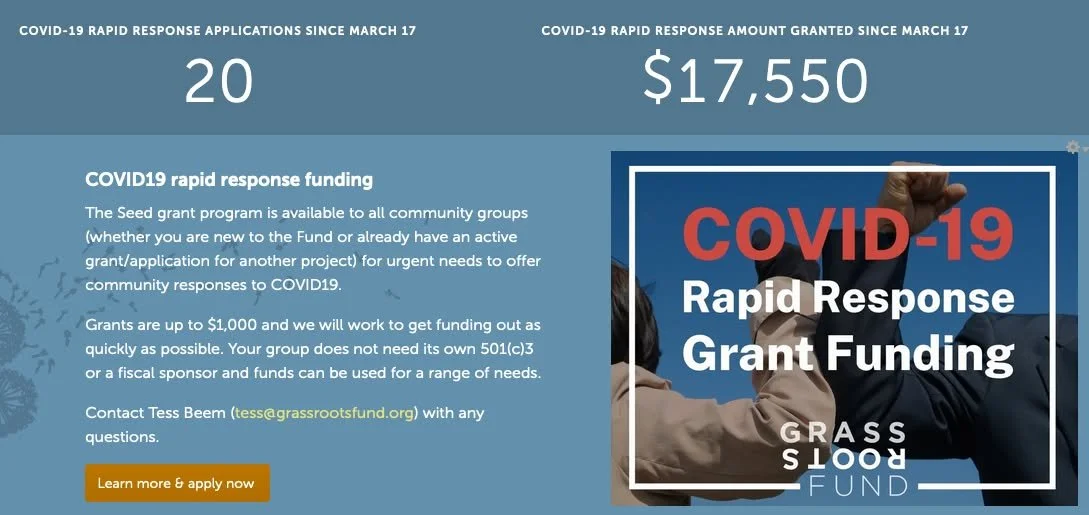
No amount of planning could have prepared any organization for what came next. When the COVID-19 pandemic hit in March 2020, the Grassroots Fund pivoted almost overnight into rapid-response grantmaking, turning grants around in hours rather than months to get money into the hands of the community organizations holding their neighborhoods together. It was a defining moment: the crisis made unmistakably clear that grassroots networks, not distant systems, are what keep communities safe and resilient when everything else is under strain.
This quick pivot was only possible because of 20+ years of existing relationships with grassroots groups and community leaders.. Looking back, staff and board alike describe this period as the organization's proof of concept: a real-world demonstration that funding the grassroots and supporting local leaders isn't just a philosophy, it's an operational advantage when it matters most.

“When the COVID-19 pandemic hit in March 2020, nothing could have prepared me to lead an organization through that moment. Almost overnight, we were navigating overlapping crises: a global pandemic, the rapidly escalating climate disruption, the murder of George Floyd, and a long-overdue racial reckoning that challenged every institution, including our own.
Every day felt like stepping into experiences none of us had ever had before. We were trying to keep staff safe, support grassroots groups in crisis, adapt all of our plans in real time, and confront difficult truths about leadership, power, and who environmental justice organizations are accountable to.
There were days it brought me to my knees. But the Guiding Practices we had spent years building became our anchor.
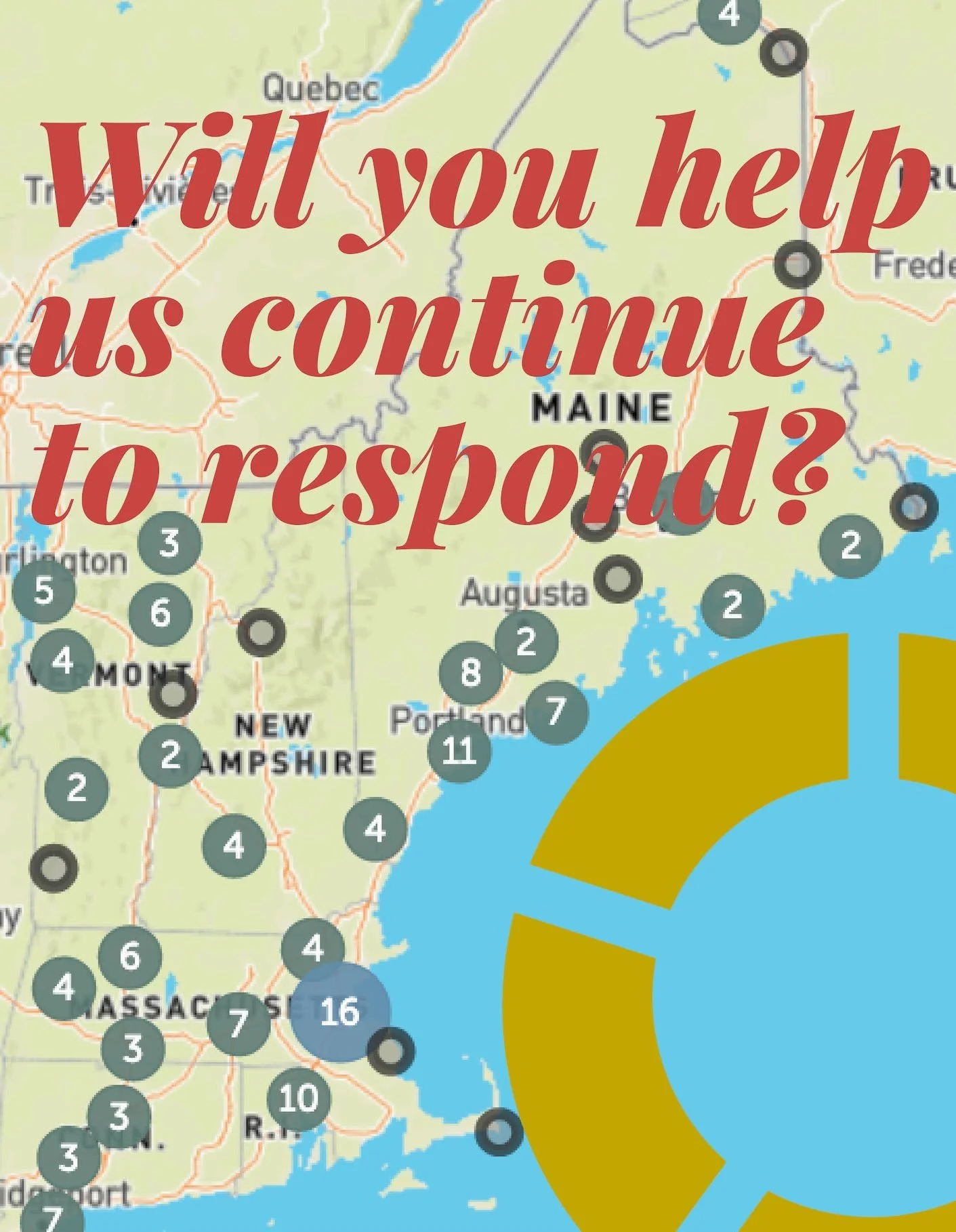
Within days, we launched a rapid-response COVID grant program and raised roughly $250,000 in just a few months to get emergency funding out to communities.
I was literally printing checks from my temporary bedroom office while my house was full of people needing support.
It was exhausting, lonely, and deeply imperfect, but it also clarified our purpose. In that urgency, we showed up for communities with trust, flexibility, and very few barriers, and I believe those relationships deepened because of it.”
- Julia Dundorf, former Executive Director of The Grassroots Fund