How the Fund brought its commitment to shared leadership into its own structure, building a more resilient organization for the future of grassroots funding.
The Fund's next chapter took its commitment to shared power and turned it inward, onto its own leadership structure. The organization transitioned into a co-director leadership model, embedding shared power more structurally and longtime staff members Sarah Huang and Bart Westdijk initially took over as the organization’s first Co-Director team. In 2024, Sarah stepped aside and Faye Christoforo joined the Co-Director team. Sharing the Executive Director role was a chance to learn more about how shared leadership and open communication make a team stronger and more sustainable. It also fit what we were already asking of the broader community: more voices at the table, and decisions made closer to the ground.
That same thinking shaped our grantmaking during this period. We launched the Shared Gifting Circle Cohorts, where a group of grantees comes together, splits a pot of money, and decides as a group how to share it. It felt like a natural next step in our participatory model. Community members were already helping decide who got funded. Cohorts put even more of that decision-making, and ownership of the money, in the hands of the groups doing the work.
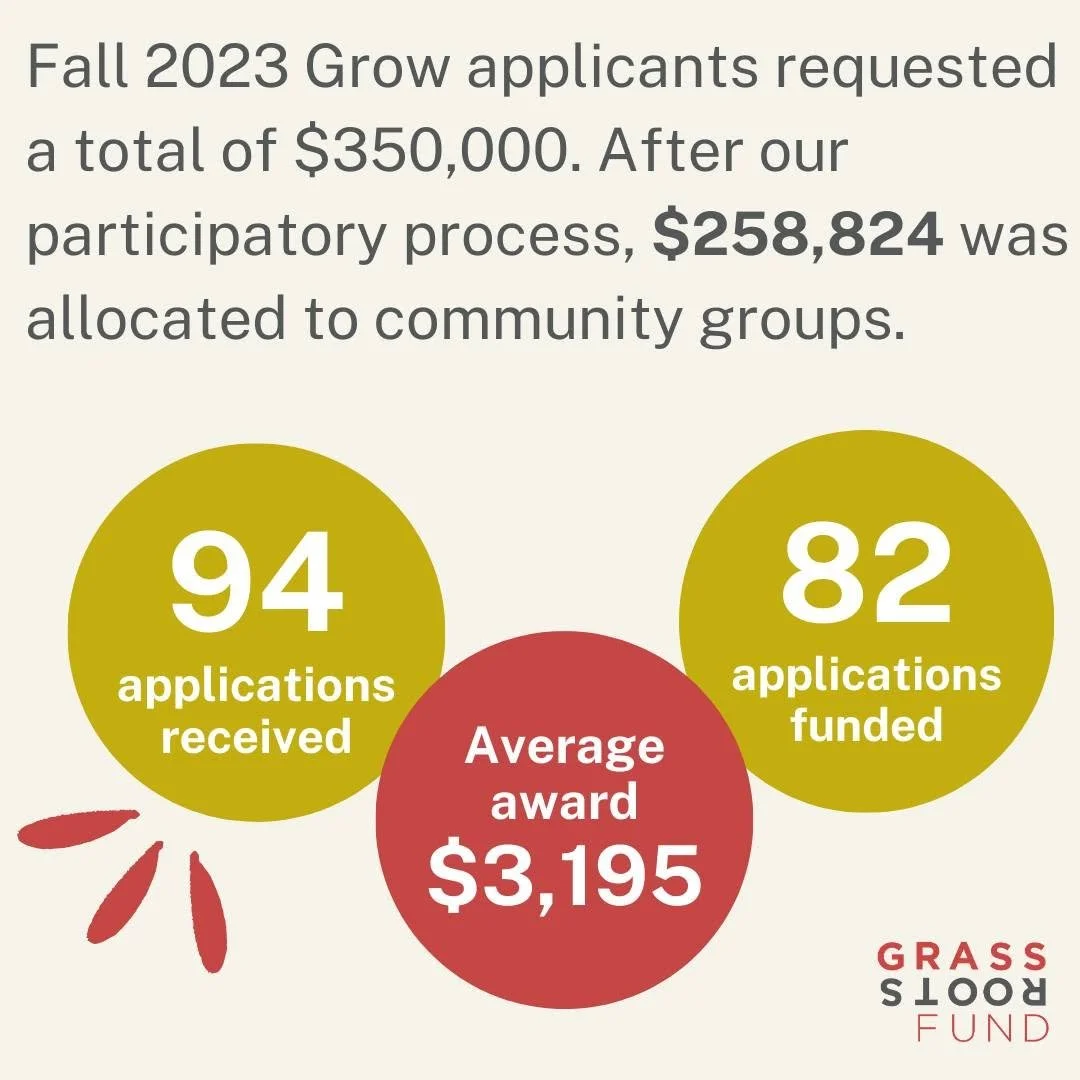
This was also a time of continued growth in our Grow and Seed grantmaking, as you can see in the data graph on the main page. Many groups formed during COVID to meet urgent needs in their neighborhoods, creating a significant increase in our grantmaking during that period. As their community roots grew the acute issues facing their communities changed and they found the work was still needed, so they kept going, and our grantmaking kept up with them. More applicants meant we needed more community decision makers, and community leaders stepped up. 2025 saw the most community decision makers in our history, counting Community Grant Readers, Grantmaking Committee members, and Seed decision makers. We're on track to meet or pass that number in 2026.
In 2025, the Fund distributed a record $1.5 million to grassroots groups across New England.
“For 30 years, the foundation’s work has been rooted in a deep respect for grassroots leaders, people often working with too few resources, balancing multiple commitments, and still answering the call to create change in their communities. The foundation’s role has never been simply to provide financial resources, but to help people build capacity, find connection, and discover new possibilities.
That meant being intentional about how people came together. Every gathering was designed to meet people where they were, whether they were just beginning to organize, reflecting on their work, or simply seeking reassurance that others were wrestling with the same questions. The goal was for people to leave feeling supported, energized, and better equipped for the work ahead.
At its heart, this approach recognizes that movements are built through shared learning. It means connecting people to one another, to new resources and perspectives, and to lessons from movements past: what worked, what didn’t, and what might work differently now.
After 30 years, that commitment also means embracing the messiness of the work. The foundation continues to evolve while carrying its history forward, building resilience for what comes next. The path may change, but the commitment remains to listen, learn, adapt, and equip grassroots leaders to meet the moment with strength and support.”
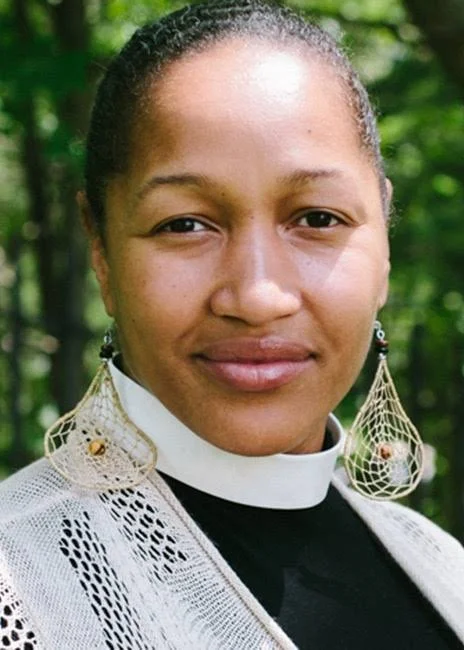
-Rev. Mariama White-Hammond, former Grassroots Board Member