2014–2019: Aligning with the Guiding Practices
How the Grassroots Fund turned its values into practice, deepening participation and creating new ways for communities to shape philanthropy.
The organization translated its values into more explicit practices and expanded its commitment to participatory grantmaking. In 2014, founding Executive Director Cheryl King Fischer stepped down, and Julia Dundorf became the organization's second Executive Director. Alongside this leadership transition came a new name: The Grassroots Fund, a simpler identity that reflected the priorities the organization had already been living for years.
During this period, the organization moved from broad guiding values to a formal set of Guiding Practices that embedded transparency, participation, racial equity, and accountability into decision making for community participants. These Guiding Practices gave staff, board, and grantmaking committee members a shared language and a concrete standard to hold the organization and grant applicants to..
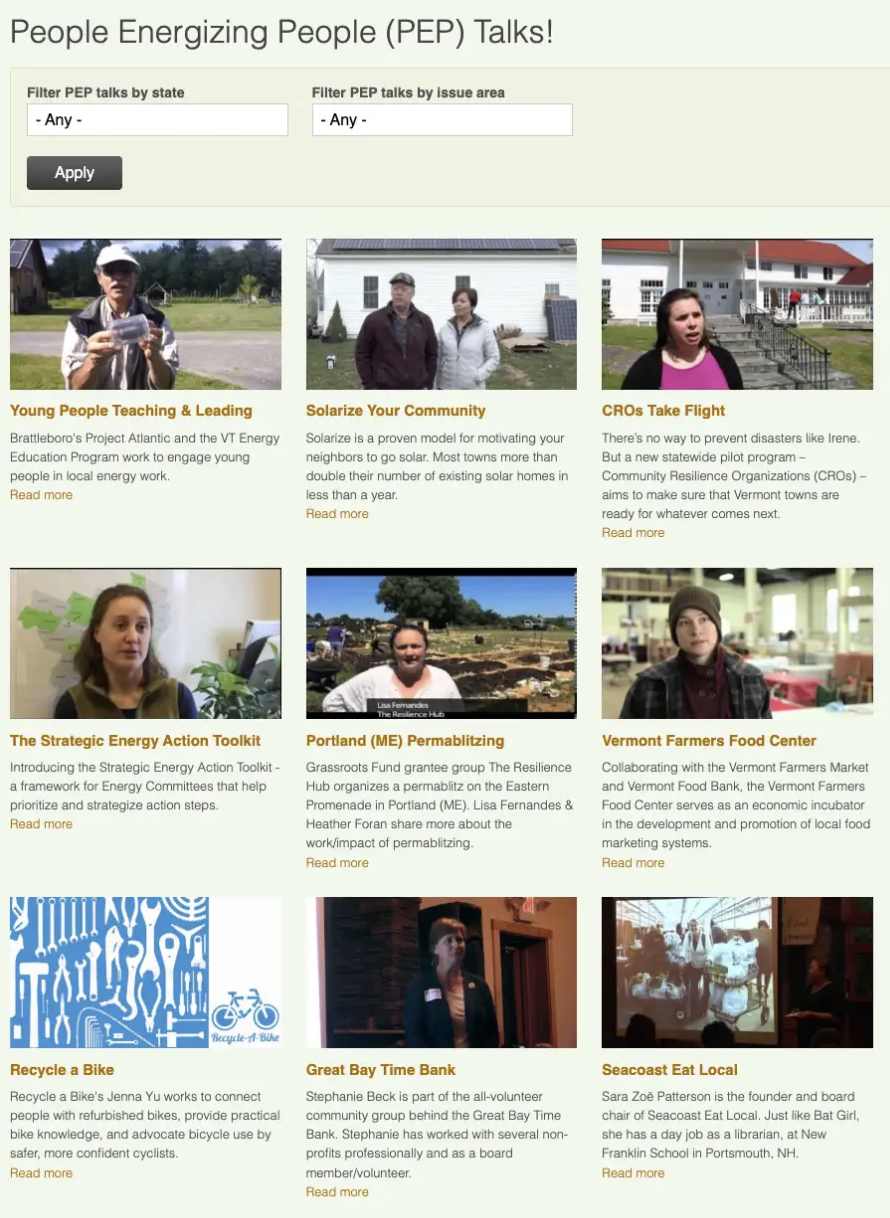
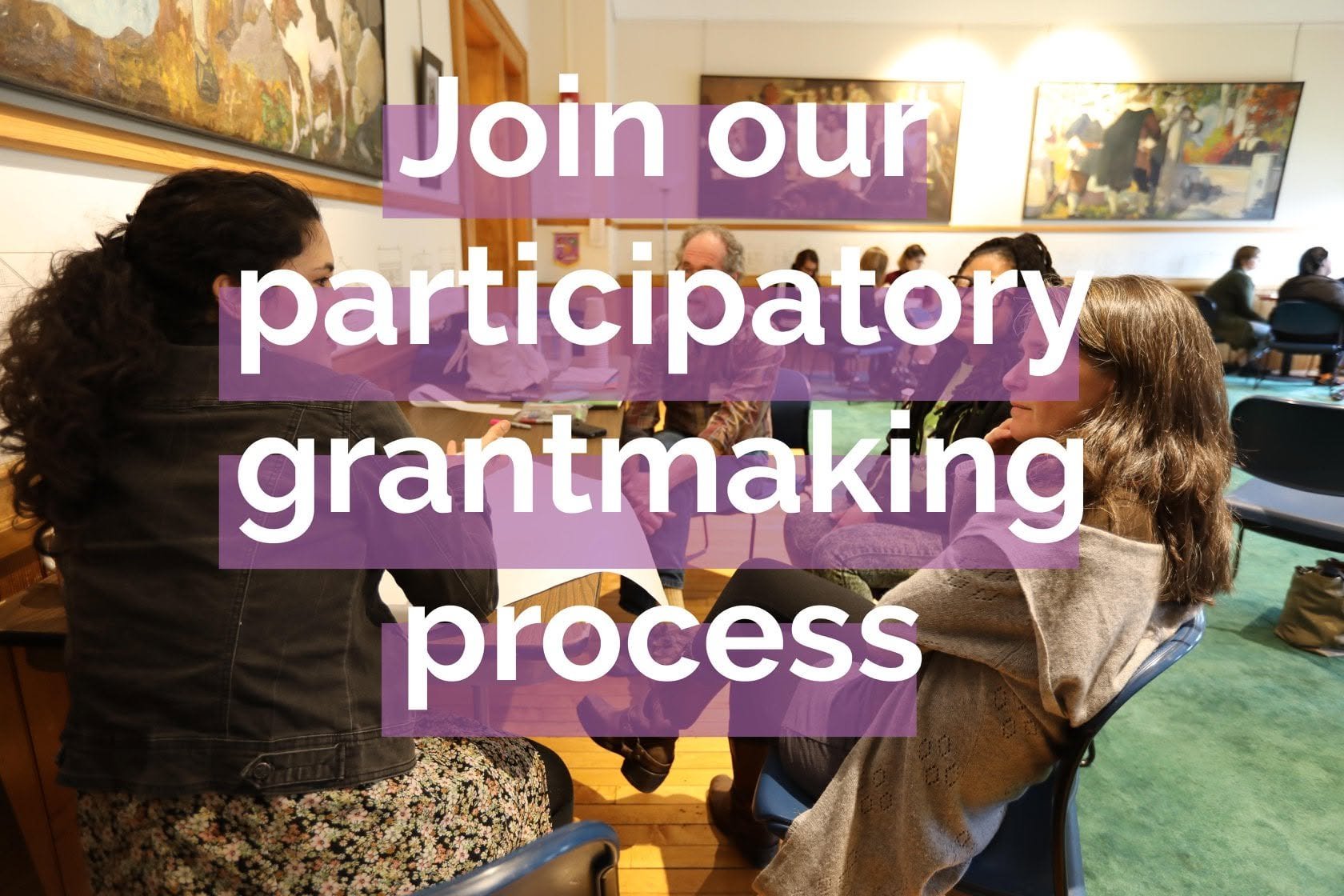
Building on this foundation, the Grassroots Fund deepened participatory grantmaking through a series of innovations now described as "ParticipaTinkering." Trend Reports were introduced to democratize knowledge and make grantmaking insights more accessible.
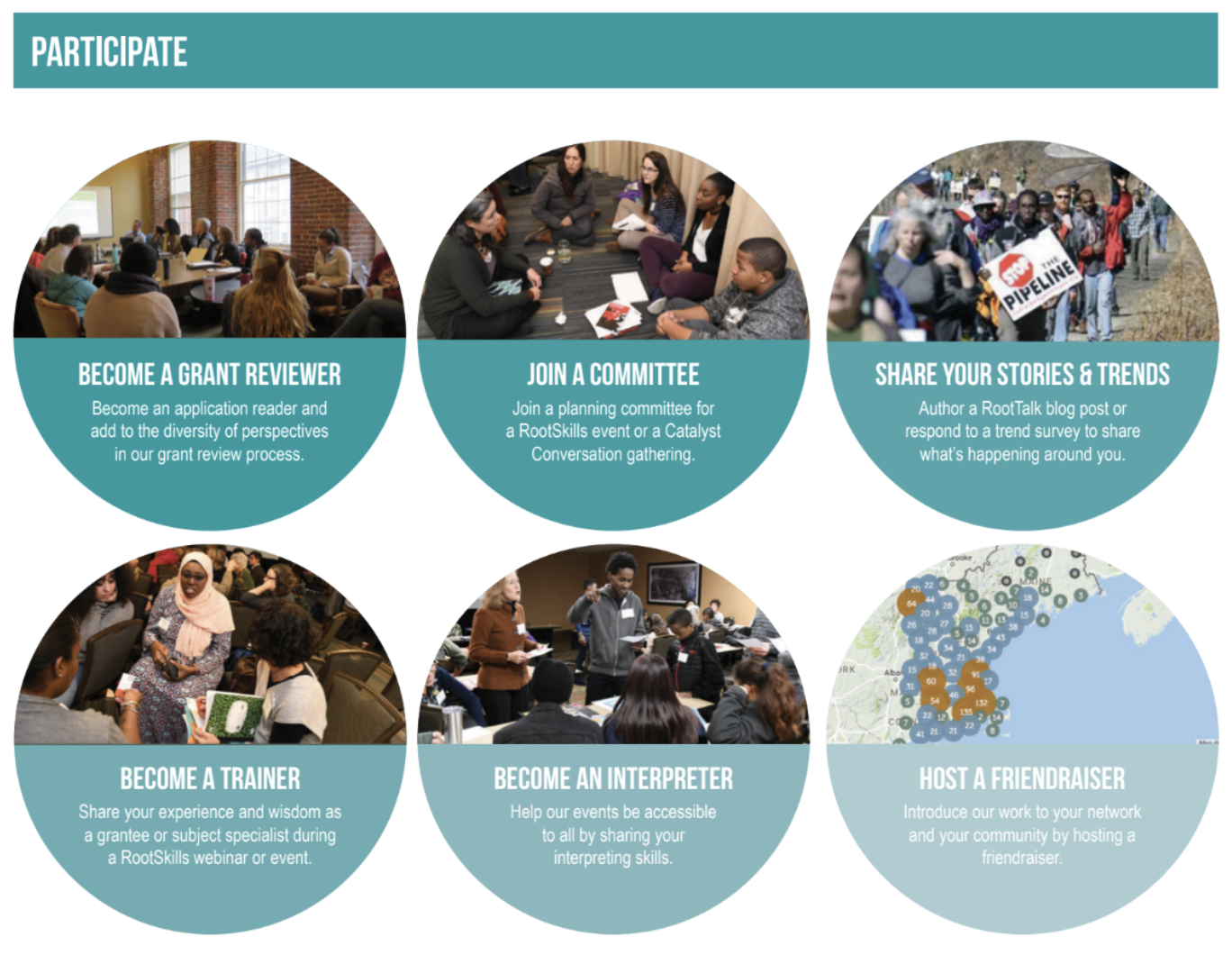
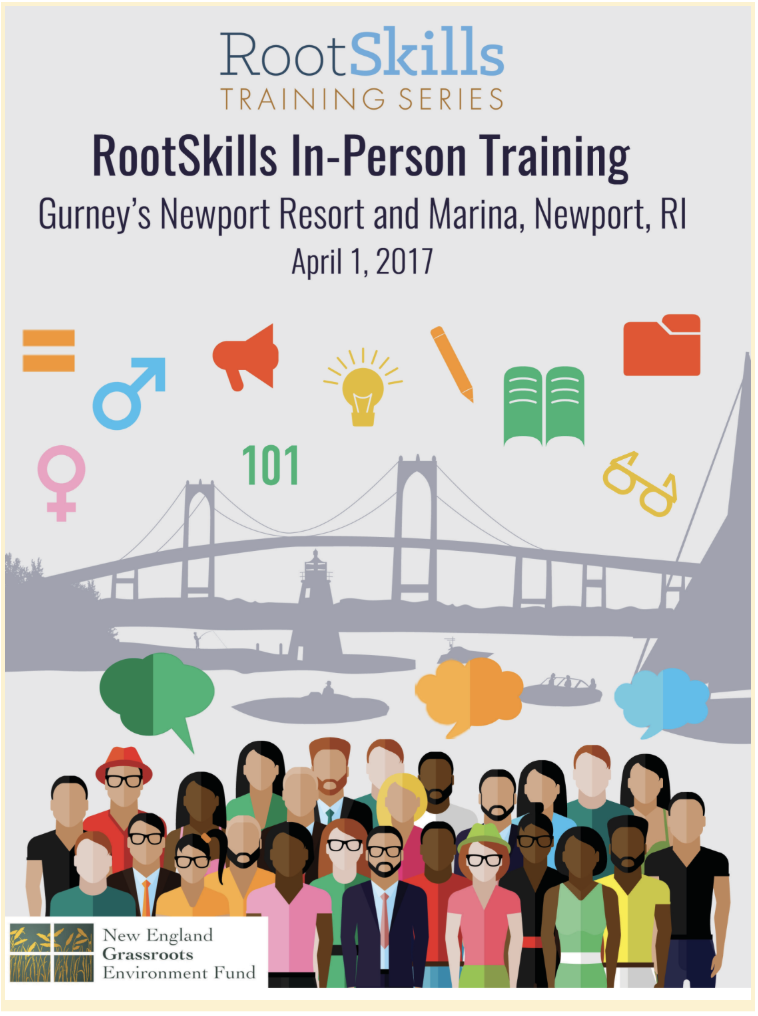
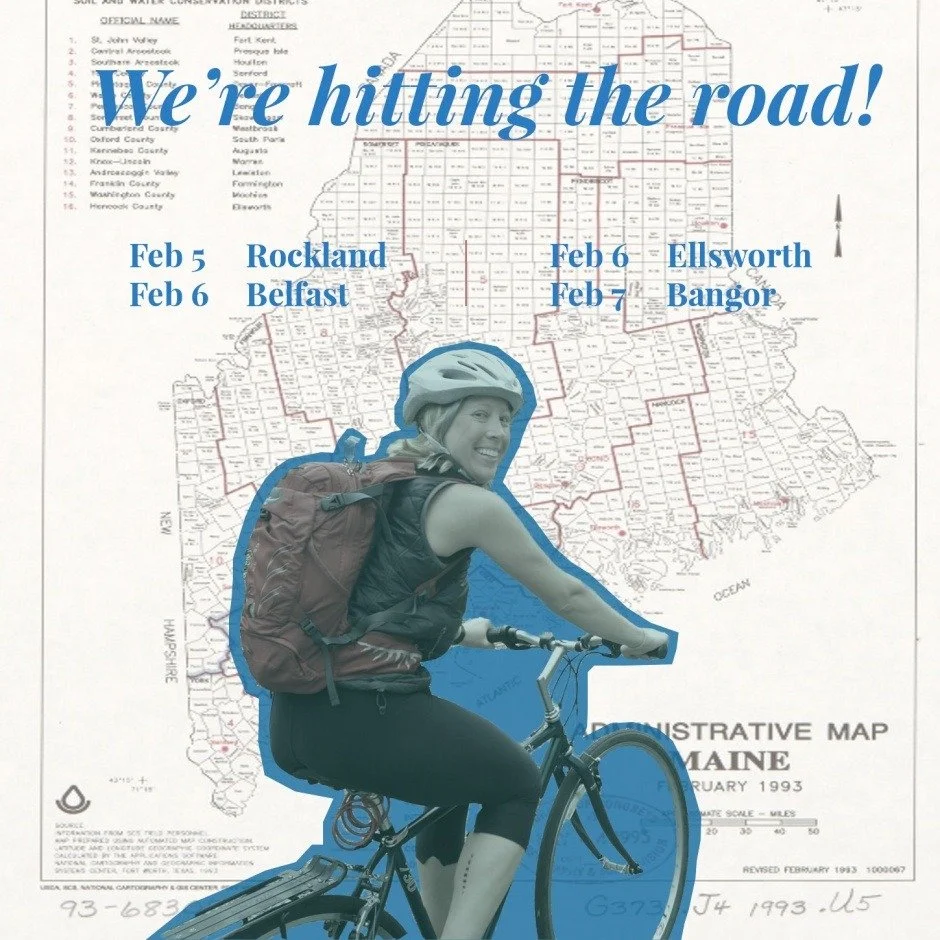
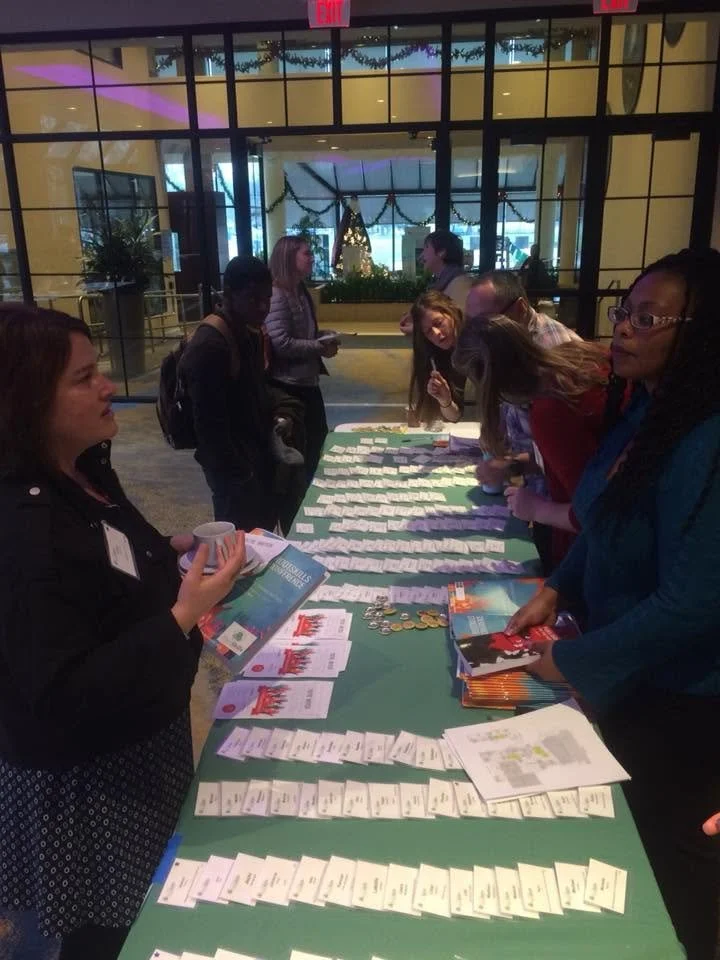
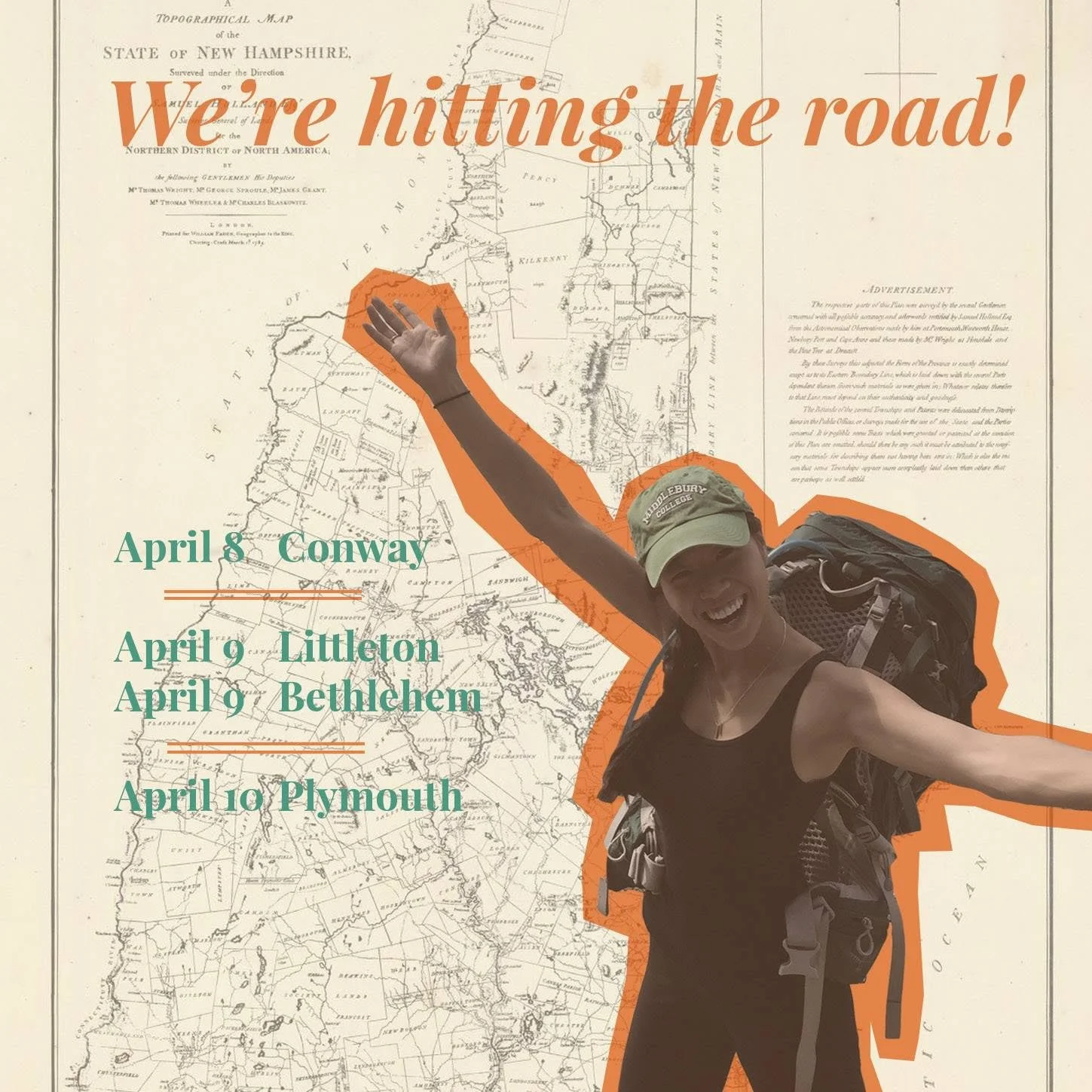
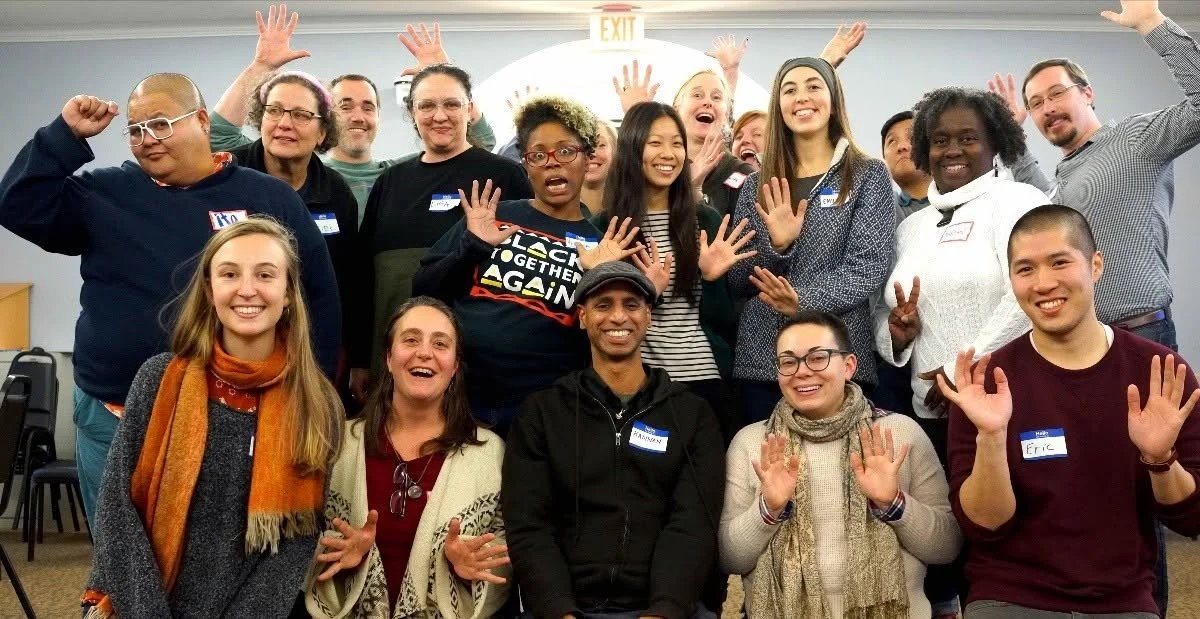
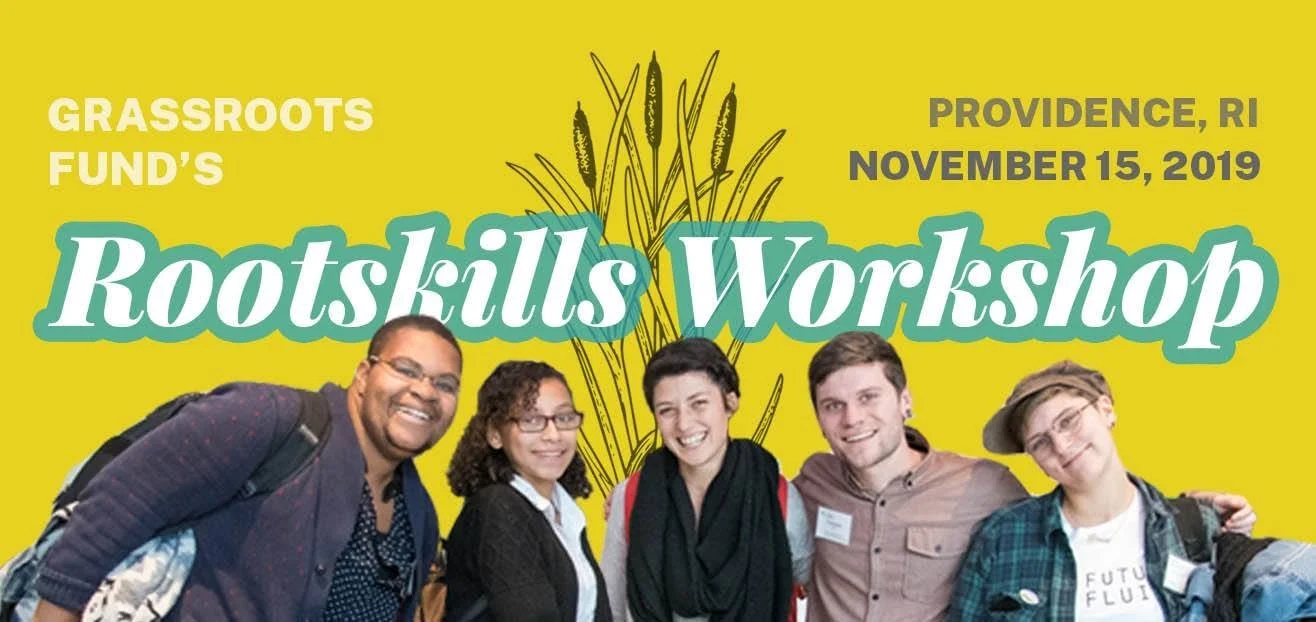
Root Skills gatherings evolved, pop-up offices brought staff closer to communities, and new engagement tools and grant models expanded opportunities for grassroots leaders to shape the organization's work.
The results showed. By the mid-2010s, the Fund had already channeled more than four and a half million dollars into over 1,500 community groups through upwards of 2,300 grants, reaching well over half of New England's cities and towns. Applications and fundraising increased, geographic engagement expanded across the region, and gatherings became more racially diverse and representative of the communities the organization sought to support.
By 2019, the Grassroots Fund had strengthened its identity as a participatory grantmaker, demonstrating how shared leadership and community-driven learning could transform philanthropy from the inside out.
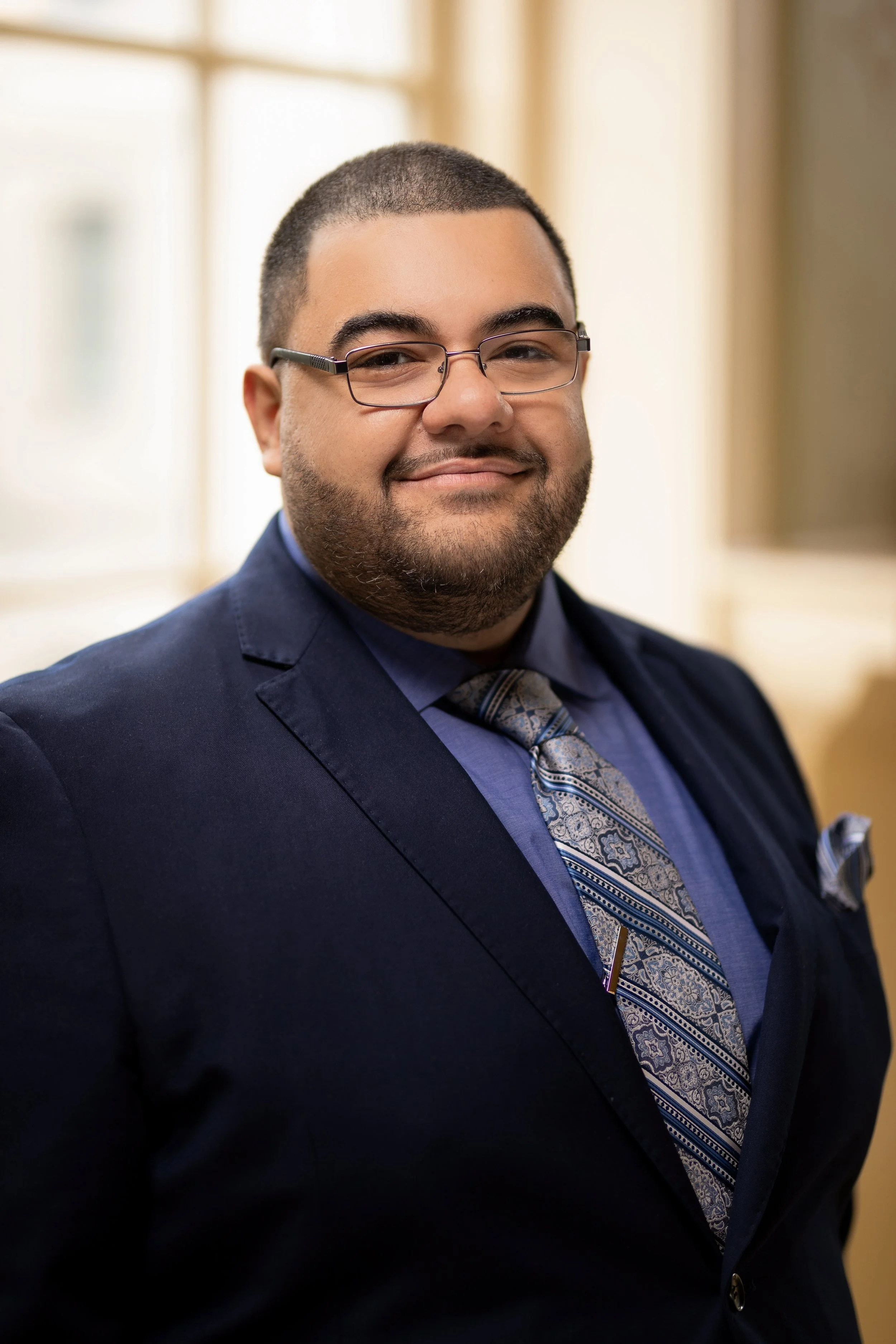
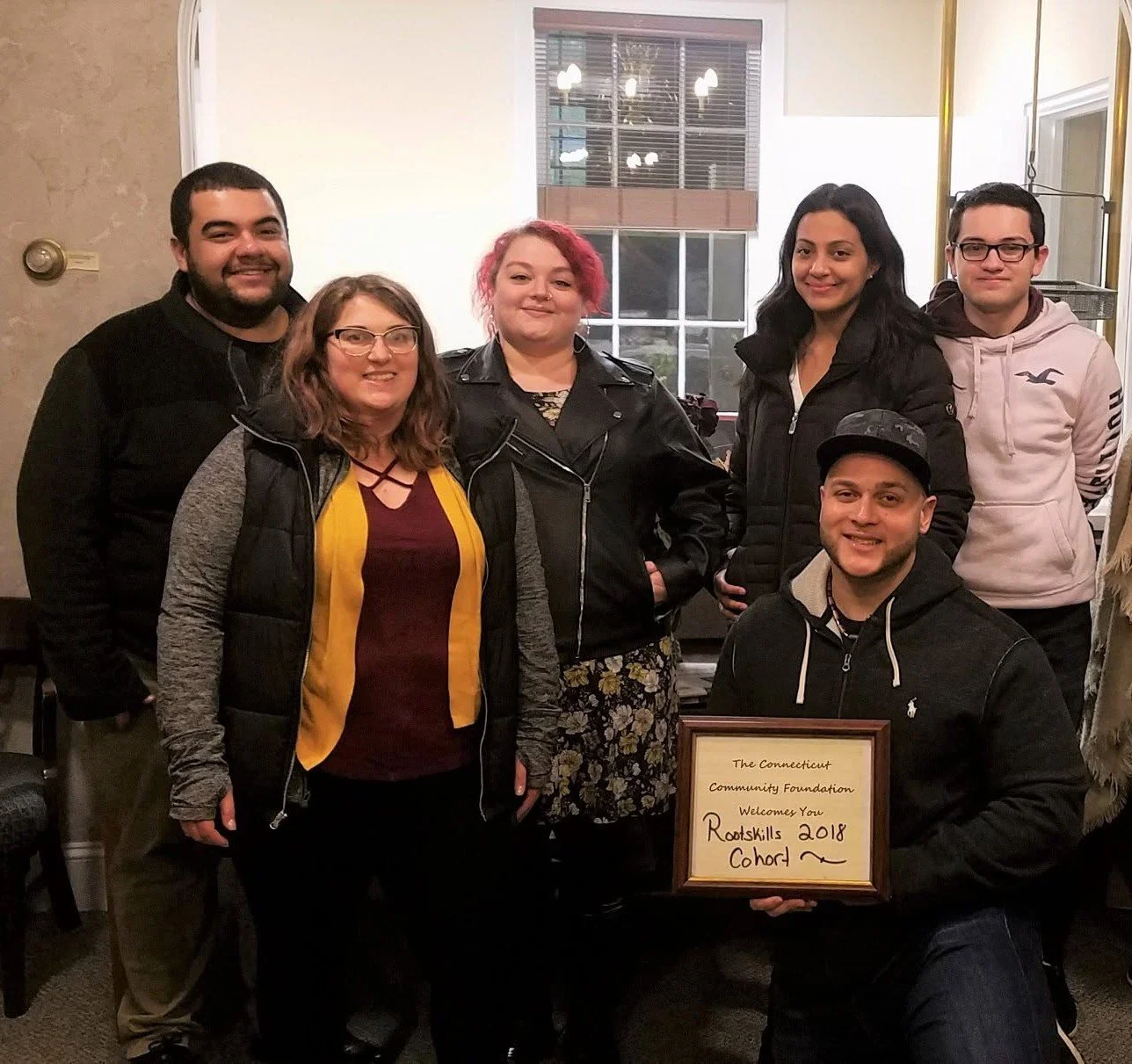
“The first RootSkills I went to was in 2018. At the time, I was managing a small grassroots grants program at Connecticut Community Foundation in Waterbury, Connecticut. Pretty quickly, we realized our applicants (all Waterbury residents) were looking for opportunities to build skills and learn from others. So starting in 2018 and for the next few years, we'd rent a van, bring a group up from Waterbury, and head to RootSkills.
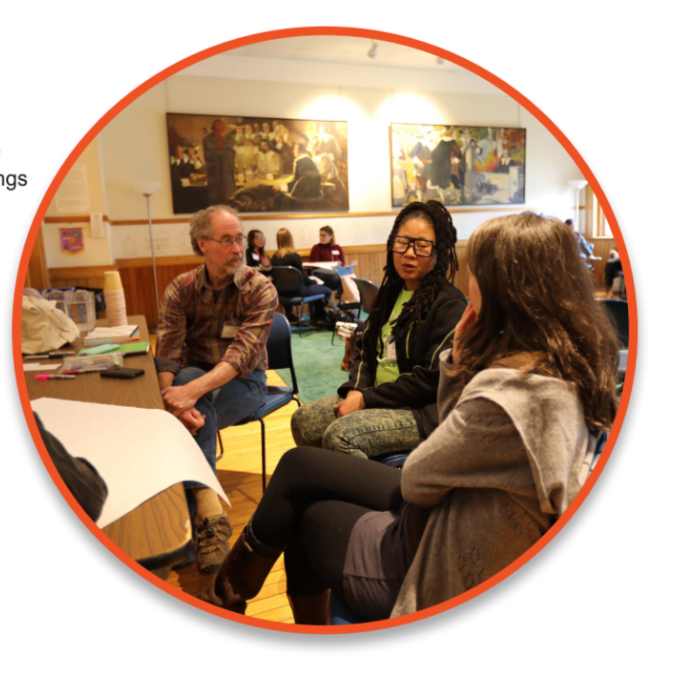
There were traditional nonprofit conferences, but they weren't built for the people we were bringing. What RootSkills offered was something different. It took the work seriously without being prescriptive about how people had to show up. There were people in suits and people in overalls. Farmers, community organizers, neighborhood leaders. Everyone came with their own experience, and that made the learning richer.
One of the biggest lessons was realizing we were using the same words but meaning very different things. In Connecticut, ‘rural’ meant wealthy to us. Then we'd meet organizers from northern Vermont or New Hampshire and realize their struggles had far more in common with our communities in Waterbury than we ever imagined. That kind of perspective shift only happened because people from across New England were in the same room.
The ideas traveled home, too. One of our committee members learned about green stormwater infrastructure that could help solve flooding in his own neighborhood. We wouldn't have been exposed to those kinds of solutions if we hadn't gone to RootSkills.
Looking back, that's what made the Grassroots Fund special. It created spaces where people could learn across differences, challenge their assumptions, and bring new ideas back to their communities.
It's hard to care about so many different people, so many different places, and so many different issues if you're too rigid in your understanding of yourself. The Grassroots Fund has always been willing to keep learning because the communities it serves are always teaching it something new.” - Bilal Tajildeen, former Chair of the Board